

No move feels simple. Boxes pile up, keys change hands, and small fees appear in your inbox. To stay financially grounded when settling into a new place, start with a plan you can follow on tired days. First, open your banking app and write your real totals. Next, list every bill due in the next four weeks. Then choose one “safe to spend” number for that same window. Keep it visible, because it blocks panic buys. A clear baseline turns the first month into a series of small choices, not one big guess.
Map Your True Starting Point Before You Spend
First, gather every account in one place. Add cash, checking, and savings, and write one total you can trust. Also list credit limits, yet treat them as backup, not income. Meanwhile, note fixed obligations: rent, debt, insurance, childcare, and transit. If a charge cannot pause this month, count it now.
Scan last month’s transactions and circle repeat leaks, such as delivery, rides, or “quick” shopping trips. Then create two lists: “must buy” and “can wait.” Put locks, groceries, cleaning supplies, and some tools on the must list. Put décor, upgrades, and hobby gear on the wait list. After that, set a cushion for the first week, even if it is small. This setup keeps decisions simple when your energy runs low. Finally, follow one rule: function first, comfort second, style last.

Budget for the Move With Real Numbers, Not Hope
Start your moving plan by listing every cost, even the small ones. Treat managing costs during the move as a project with line items. Begin with transport: truck rental, movers, fuel, tolls, and parking. Then add packing supplies, boxes, tape, labels, and wrap. After that, include deposits, cleaning, and storage, plus one hotel night if timing gets tight. Still, remember setup fees for utilities and internet. Those can arrive early and can make it difficult to stay within a budget.

To stay financially grounded when settling into a new place, add a buffer of ten to fifteen percent and label it “surprises.” Also, compare options in writing. DIY can cost less, yet time has value, and stress has a price. Finally, pay move costs from one category, so you see the total. Moreover, schedule payments by date. Some vendors want cash, others want a card, and many want a deposit upfront.
Control First-Month Setup Costs Without Feeling Deprived
Shift from moving costs to long-term personal finance strategies. Focus on what makes daily life work: sleep, light, a clean bathroom, and simple meals. Instead of buying a full set at once, build a starter kit and upgrade later. Also, use a seven-day delay for non-urgent items. If you still want it a week later, buy it with less regret.
Meanwhile, set a weekly cap for home purchases and track it in one note. Because small buys stack fast, batch shopping into planned trips. Additionally, use secondhand items for shelves, tables, and storage. However, buy new safety items, such as a smoke detector. Likewise, watch delivery charges. A cheap item can double once you add shipping, tips, and assembly right at checkout. Finally, keep receipts in one folder, so returns stay easy.
Reset Your Bills, Banking, and Paperwork Fast
Now, it’s time to ensure you can actually save some money at your new address. Confirm rent or mortgage dates, plus due dates for power, water, and internet. Also ask about deposits, late fees, and promo rates that can jump later. However, avoid autopay until the first bill looks right. One wrong draft can drain your cushion.
Next, update your address with your bank, employer, and insurer. Change it for tax forms, too. Then review subscriptions and cancel what no longer fits your routine. To stay financially grounded when settling into a new place, line up due dates with payday when you can. Meanwhile, set up mail forwarding for months, and watch for stray bills. Additionally, confirm your renters’ insurance start date, and store the policy where you can find it when you need proof. Finally, keep one page with account numbers and support contacts.
Build a Simple Routine That Prevents Drift Spending
Meanwhile, daily spending can drift while you explore a new area. So here’s a saving hack — just build a routine that takes five minutes. Each evening, write what you spent and why. If you felt stress, note it, because moods can drive purchases. Also, pick three simple rules for the first month. For example: one takeout night per week, one paid outing per weekend, and no impulse décor. Still, give yourself a “new place” fund for coffee, transit, and small treats.
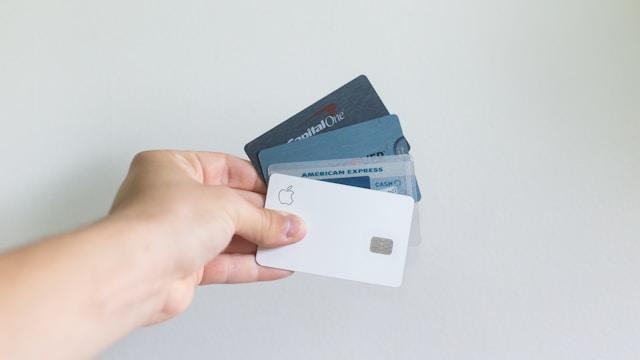
Without it, you may swing from strict to careless. To stay financially grounded, track only three categories at first: food, home items, and transport. Next, keep one card for spending and one for bills, so you spot problems. Likewise, compare prices in your neighborhood, because baskets can cost more. Finally, review totals every Sunday, and adjust the next week’s caps.
Rebuild Your Safety Net and Settle Into Long-Term Stability
Finally, turn short-term control into long-term ease. Restart savings with a small auto transfer, even if it feels tiny. Also plan for costs you now own, such as local fees, repairs, and seasonal bills. Then do a 30-day review. Mark what was one-time and what will repeat. If a cost repeats, add it to your monthly plan and set a reminder before it hits. However, keep one goal at a time.
You might pay down a card, build one month of expenses, or start a “home fund.” Meanwhile, rebuild credit by paying on time, not by spending more. Additionally, set up sinking funds for annual costs, such as car registration or school supplies. Later, raise your savings transfer by a small step when bills settle.
The Bottom Line
In the end, settling in gets easier when your money has clear rails. You can feel proud of the move, yet you still need structure. Ultimately, a steady routine beats bursts of effort, especially during the first month. To stay financially grounded when settling into a new place, keep your baseline, your caps, and your review day. Also, treat fun as planned spending, not a leak. When a surprise cost hits, use your buffer first, not your credit. Then reset the plan and move on. Over time, your new place feels safe, because your numbers feel familiar.
