

Forex trading really often sounds like a complex universe reserved for finance whizzes. But what if you could break it down into digestible parts? At the core of forex trading lies the concept of a “pip,” a term that might seem alien but is essential for understanding how currency values are calculated.
Picture this: you’re diving into a pool and each drop of water represents a tiny movement in currency value; those drops are what you call “pips.” Alongside the rise of automated trading systems, often described as a high-output forex robot system, trading has really become accessible to more people.
Embark on a journey to understand these elements better and see how they fit into the broader landscape of investment and financial stability.
What exactly is a “pip”?
In forex trading, a “pip” stands for “percentage in point” and represents the smallest price movement in a currency pair’s exchange rate. It’s really the heartbeat of currency trading, much like a heartbeat reflects health. Say you’re watching a currency pair, like the euro against the U.S. dollar. If the exchange rate moves from 1.1200 to 1.1201, that tiny movement is one pip.
For most major currency pairs, this equates to the fourth decimal place or 1/100th of 1%. This may sound really trivial, but when you’re trading large amounts of currency through leverage, those small movements can translate into significant gains or losses. It is the fundamental unit for measuring profit, managing risk and calculating spreads.
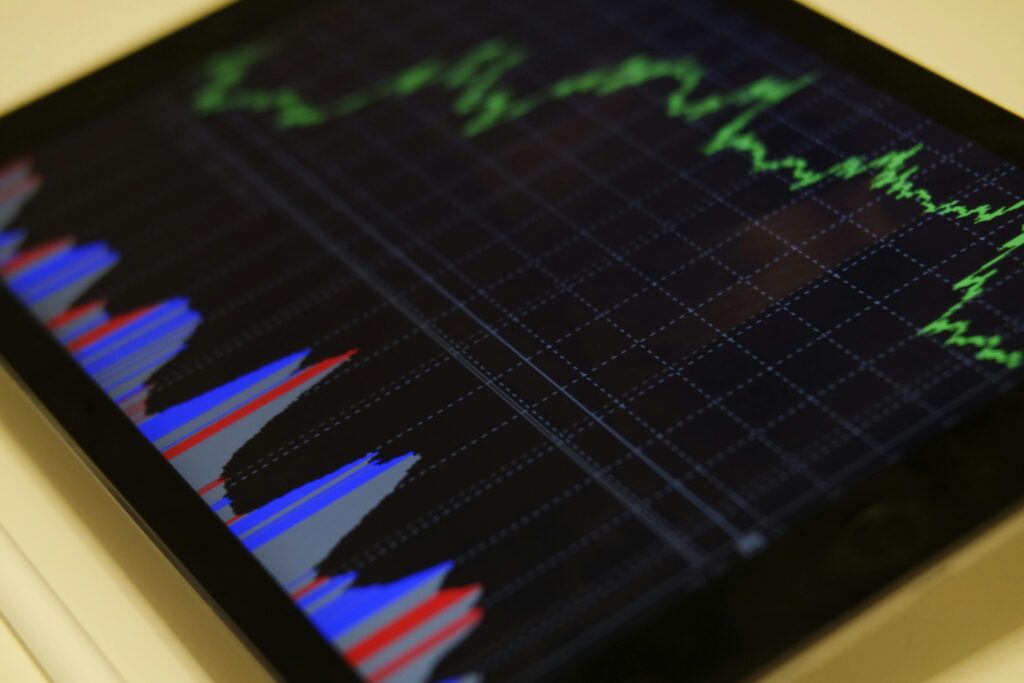
Think of it like watching a thermometer: a one-degree change might not mean much in a mild climate, but it can mean the difference between snow and rain.
Calculating pip value and profit
Calculating the value of a pip really isn’t as daunting as it sounds. It’s like figuring out how many miles you can drive with a gallon of gas.
Once you know the formula, it’s straightforward. To keep it simple, the value of a pip is calculated based on the size of your trade and the exchange rate of the currency pair. For example, in a standard forex lot (100,000 units of currency), a 1-pip movement equals $10 for currency pairs with the U.S. dollar as the quote currency.
Understanding pip value helps traders make informed decisions, much like knowing the cost of fuel helps you plan a road trip. By grasping this basic math, traders can better predict potential profits and losses.
The basics of automated trading
Automated trading might sound like something out of a science fiction novel, but it’s very much a reality today. Imagine setting your coffee machine to brew at 6 a.m. every morning. Automated trading works on a similar principle.
Once you program your trading strategy into an expert advisor or trading robot, it can execute trades on your behalf around the clock. This technology has opened the doors for many who want to participate in forex trading but may not have the time or expertise to do it manually.
It’s like having a virtual assistant who never sleeps, constantly monitoring the markets for opportunities based on your criteria.
How trading algorithms make decisions
The magic behind automated trading lies in the algorithms, which are essentially a set of rules designed to execute trading strategies. These algorithms analyze data, identify patterns and make decisions based on predefined criteria.
Think of it like a chef following a recipe to create a dish; the algorithm follows a “recipe” to execute trades. The advantage here is speed and precision. Algorithms can process vast amounts of data and execute trades much faster than a human ever could.
However, they’re only as good as the strategy they’re programmed with, much like a chef’s dish is only as good as its recipe and ingredients.
The pros, cons and realities of going automated
With automated trading, you get the distinct advantage of removing volatile human emotions from the equation. Machines don’t panic sell during a market dip or stubbornly hold on to losing trades out of greed.
However, it’s not all sunshine and rainbows; there are steep potential downsides. Automated systems can be incredibly costly to set up, optimize and maintain over time. Additionally, they are entirely literal and remain vulnerable to sudden market anomalies, flash crashes or unexpected technical glitches.
Think of it like driving a self-driving car; it is highly convenient and efficient for long stretches, but you still need to remain alert and prepared to take the wheel instantly if something goes wrong. Ultimately, the choice between manual execution and automated algorithms depends heavily on your individual trading preferences, technological expertise and risk tolerance.
While automated trading undoubtedly offers a more hands-off, disciplined approach to the markets, it is essential to stay continuously informed, monitor the software’s performance and be ready to manually intervene whenever market conditions defy the code.
