

Money still carries borders even when people do not. Consumers work internationally, shop across markets, travel more frequently, and increasingly rely on digital tools rather than local financial infrastructure. Yet traditional systems often remain tied to geography, banking hours, approval chains, and slow settlement processes. That mismatch is one of the biggest reasons financial habits are changing. Global consumers want access that feels as mobile and immediate as the rest of modern life.
This is where the idea of “no bank borders” starts to matter. It does not mean financial rules disappear. It means users increasingly expect their money to be easier to access, easier to move, and easier to use wherever they are.
Global Living Is Reshaping Financial Expectations
A wider market trend is pushing finance toward portability. People no longer want their financial life to depend entirely on one country, one bank relationship, or one rigid payment path. They want solutions that work across borders and across contexts, whether they are paying online, spending while abroad, or managing digital income streams from different places.
Importantly, this change is bigger than crypto alone. Across the broader financial landscape, convenience has become a baseline expectation. Consumers are choosing products that reduce friction, simplify access, and make payments feel more responsive. In that sense, innovation is being measured less by complexity and more by usability. The strongest solutions are often the ones that quietly make everyday financial behavior feel easier.
Why Practical Access Matters More Than Ever
Global consumers do not just need storage. They need utility. Holding value is one thing, but being able to use it at the right moment is what creates real financial freedom. That is especially true in a digital-first economy, where decisions happen quickly and payment expectations are shaped by instant commerce.
This is one reason Web3 is becoming more relevant in personal finance. Its practical appeal lies in making digital value more accessible and more flexible. Instead of treating assets as something separate from real-world spending, newer tools are helping connect ownership with action. That shift from passive holding to active use is central to the next phase of adoption.
A clear example is the prepaid Crypto Card. A Crypto Card allows users to spend cryptocurrencies in real life, which makes digital assets more practical for daily use. It can be used for internet shopping, at the point of sale, and even for withdrawing cash from ATMs. That kind of functionality helps bridge Web3 and ordinary payment behavior in a way that feels familiar rather than disruptive.
From Digital Assets to Everyday Spending Power
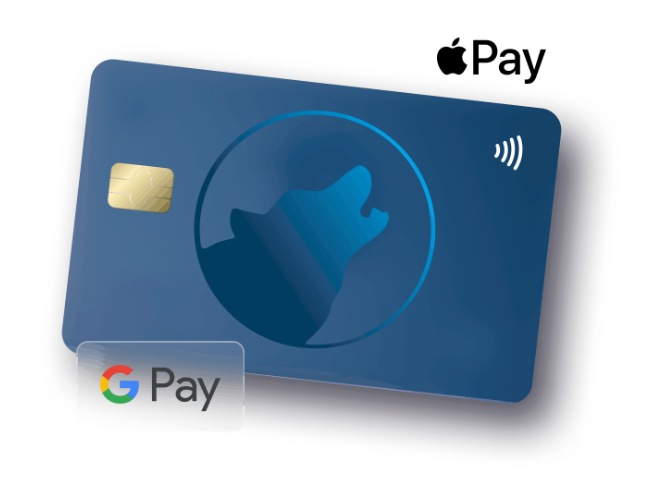
Mountain Wolf, leading payment provider, touches this trend with a Crypto Card designed for modern usability. After verification, the card is instantly ready, which reflects growing demand for immediate access. It is also compatible with Apple and Google Pay, making it easier to integrate into normal payment routines. Another practical feature is the ability to top up in real time from any crypto wallets, giving users more flexibility over when and how they access funds.
The bigger story is not just about one product. It is about the direction of finance itself. Consumers increasingly want solutions that are less restricted by legacy structures and better aligned with global lifestyles. That is why Crypto Cards are gaining momentum: they help transform digital assets into purchasing power that feels usable in the real world.
After seeing how Mountain Wolf and the modern Crypto Card model support that shift toward more flexible spending, even adjacent digital lifestyle habits, such as browsing celebrity eyewear, reflect the same expectation of smooth access, fast checkout, and fewer financial barriers.